Cancer Surgery
Cancer surgery is an important treatment option for many types of cancer. It involves removing cancerous tissue from the body and may be recommended to diagnose cancer, remove a tumour, or help manage the disease as part of a wider treatment plan. The appropriate surgical approach depends on the type, location, and stage of cancer, as well as the patient's overall health. Individualised assessment helps determine whether surgery may be beneficial and how it can be coordinated with other treatments.
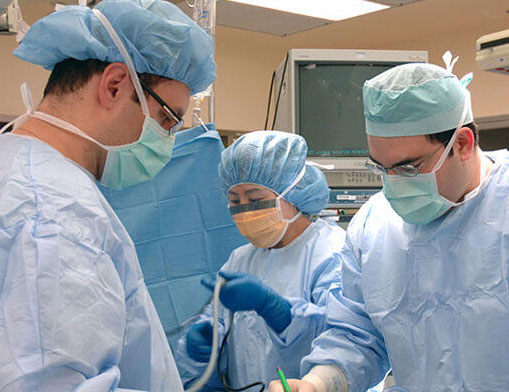
Understanding Cancer Surgery
Cancer surgery may be used for different purposes depending on the patient's diagnosis. In some cases, it aims to remove a tumour and a margin of surrounding tissue. In others, surgery may help establish an accurate diagnosis, relieve symptoms, or reduce the effects of cancer on nearby organs. The treatment plan is developed after reviewing relevant investigations, imaging, biopsy findings, and the patient's medical history.
- Surgical evaluation of suspected or confirmed tumours
- Removal of cancerous growths when clinically appropriate
- Assessment of tumour location and involvement of nearby tissues
- Coordination with other cancer specialists for treatment planning
Cancer Surgery and Treatment Planning
The choice of surgery depends on the specific cancer and its extent. Depending on the case, treatment may involve open surgery, minimally invasive techniques, or surgery combined with other treatments such as chemotherapy or radiotherapy. Not every cancer can be treated with surgery alone. Careful planning helps the medical team consider the potential benefits, risks, recovery needs, and the patient's individual circumstances before recommending a procedure.
- Preoperative assessment and review of diagnostic reports
- Planning the appropriate surgical approach for the diagnosed condition
- Discussion of possible benefits, risks, and recovery expectations
- Postoperative monitoring and follow-up care
Personalised Care Before and After Surgery
A cancer diagnosis can be overwhelming for patients and their families. Clear communication and coordinated medical care help patients understand their diagnosis, available treatment options, and the expected recovery process. After surgery, follow-up appointments help monitor healing, review pathology results, and determine whether additional treatment or surveillance is required. The care plan should be tailored to the patient's condition and developed in consultation with the appropriate cancer specialists.