Uterine Fibroids
Uterine fibroids are non-cancerous growths that develop in or around the uterus. They vary in size, number, and location, and some women may not experience any symptoms. Others may have heavy menstrual bleeding, pelvic pressure, painful periods, or difficulty conceiving. A gynaecological evaluation helps determine whether fibroids require monitoring, medication, or a suitable procedure based on their size, symptoms, and the patient's reproductive plans.
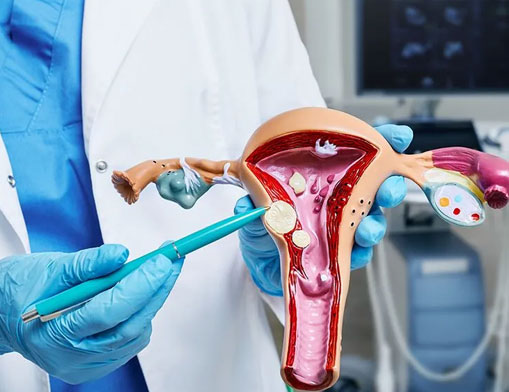
Symptoms and Diagnosis of Uterine Fibroids
Symptoms of uterine fibroids depend on their size and position within or around the uterus. Some women experience changes in menstrual bleeding, while others may notice pelvic discomfort, pressure, or urinary symptoms. Diagnosis may involve a medical history, gynaecological examination, and imaging tests such as an ultrasound to assess the fibroids and their location.
- Heavy or prolonged menstrual bleeding
- Pelvic pain, pressure, or a feeling of fullness
- Frequent urination or pressure on nearby organs
- Fertility or pregnancy-related concerns in some cases
Treatment and Long-Term Management
Treatment for uterine fibroids depends on the severity of symptoms, fibroid characteristics, age, and whether the patient wishes to have children in the future. Small fibroids without symptoms may only need regular monitoring. When treatment is necessary, options may include medication, minimally invasive procedures, or surgery. A personalised consultation helps explain the benefits and risks of each option and supports informed decisions about care.