PCOS / PCOD
Polycystic Ovary Syndrome (PCOS), also commonly referred to as PCOD, is a hormonal condition that can affect a woman's menstrual cycle, ovulation, skin, and overall reproductive health. Common symptoms include irregular periods, acne, excess facial hair, and difficulty conceiving. Some women may also experience insulin resistance or weight-related concerns. Early assessment and personalised care can help manage symptoms and support long-term health.
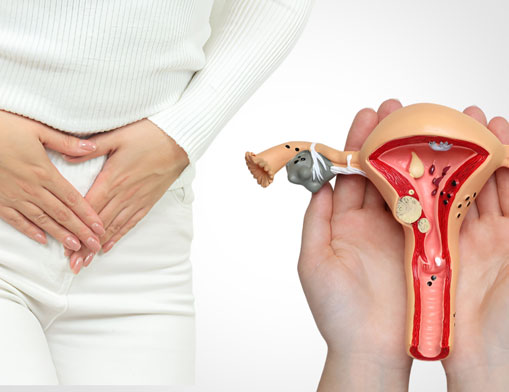
Recognising PCOS / PCOD Symptoms
PCOS may present differently in each woman. Some experience changes in their menstrual cycle, while others notice skin problems, increased hair growth, or fertility concerns. Diagnosis is based on medical history, symptoms, examination, and investigations when required. Consulting a gynaecologist can help identify the cause of symptoms and determine an appropriate care plan.
- Irregular, infrequent, or missed menstrual periods
- Acne and increased facial or body hair
- Difficulty with ovulation or conceiving
- Metabolic concerns, including insulin resistance in some women
Managing PCOS for Better Health
PCOS management depends on a woman's symptoms, health needs, and pregnancy plans. Treatment may include lifestyle changes, nutritional guidance, and medication to help regulate periods or manage specific symptoms. Women planning pregnancy may require assessment and treatment to support ovulation. Regular follow-up can help monitor symptoms, metabolic health, and treatment progress over time.