Gynaecological Surgeries
Gynaecological surgeries are medical procedures used to diagnose and treat conditions affecting the female reproductive system, including the uterus, ovaries, fallopian tubes, and cervix. Depending on the condition, surgery may be recommended to relieve symptoms, remove abnormal growths, or manage certain reproductive health problems. The appropriate procedure is determined after evaluating the patient's symptoms, medical history, investigations, and overall health.
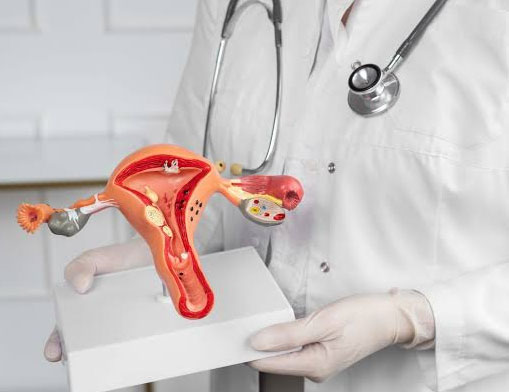
Surgical Treatment for Women's Health Conditions
Gynaecological surgery may be considered when medication or other treatments are not suitable or have not provided sufficient relief. The choice of treatment depends on the type and severity of the condition, the patient's symptoms, and her future pregnancy plans. Whenever appropriate, minimally invasive techniques may be considered to help reduce surgical recovery time.
- Surgical management of uterine fibroids
- Treatment of selected ovarian cysts
- Surgical management of endometriosis
- Procedures for selected uterine and reproductive system conditions
Recovery and Follow-Up Care
Recovery after gynaecological surgery varies according to the procedure performed and the patient's individual health. The doctor provides guidance on wound care, pain management, physical activity, and follow-up appointments. Discussing potential benefits, risks, fertility considerations, and recovery expectations before surgery helps patients make informed decisions about their treatment and reproductive health.