Laparoscopy
Laparoscopy is a minimally invasive surgical technique that allows doctors to examine and operate on organs inside the abdomen or pelvis through small incisions. A thin instrument with a camera, called a laparoscope, provides a clear view of the internal structures on a monitor. Compared with many traditional open procedures, laparoscopic surgery may offer smaller incisions, less postoperative discomfort, and a faster recovery in suitable cases. The choice of procedure depends on the patient's condition and medical assessment.
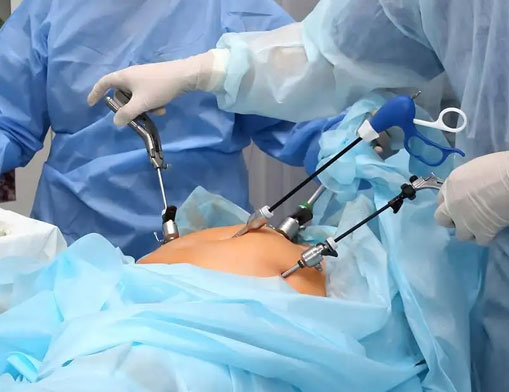
Understanding Laparoscopic Surgery
During laparoscopic surgery, the surgeon makes small incisions to insert a laparoscope and specialised surgical instruments. The camera displays magnified images of the internal organs, helping the surgeon perform the required procedure with precision. Laparoscopy is used for selected gynaecological, abdominal, and pelvic conditions. Before recommending surgery, the doctor evaluates the patient's symptoms, investigations, medical history, and suitability for a minimally invasive approach.
- Small incisions instead of a large surgical opening in suitable procedures
- Camera-assisted visualisation of internal organs
- Evaluation and surgical treatment of selected abdominal and pelvic conditions
- Potential for reduced postoperative discomfort and shorter recovery
Conditions Treated with Laparoscopy
Laparoscopic techniques can be used for several conditions depending on the patient's diagnosis and the surgeon's assessment. In gynaecology, they may be considered for conditions such as ovarian cysts, endometriosis, and selected causes of infertility. They may also be used for procedures involving the abdomen and pelvis when clinically appropriate. The exact surgical method depends on the nature and complexity of the condition.
- Selected ovarian cysts and endometriosis
- Assessment of certain pelvic and reproductive health conditions
- Selected abdominal conditions requiring surgical treatment
- Diagnostic laparoscopy when further internal evaluation is needed
Recovery and Postoperative Care
Recovery after laparoscopic surgery varies according to the procedure performed, the patient's general health, and whether any complications occur. Patients receive guidance about wound care, activity levels, medication, and follow-up appointments. Although many people return to routine activities sooner than after comparable open surgery, recovery time is not the same for everyone. It is important to follow the surgeon's instructions and seek medical advice if symptoms such as fever, increasing abdominal pain, persistent vomiting, or wound problems develop.