Menstrual Disorders
Menstrual disorders refer to changes in the menstrual cycle, including irregular periods, unusually heavy bleeding, painful menstruation, or periods that occur too frequently or infrequently. These concerns may be associated with hormonal imbalances, PCOS, thyroid conditions, uterine fibroids, or other gynaecological problems. Proper evaluation helps identify the underlying cause and determine suitable treatment to support menstrual and reproductive health.
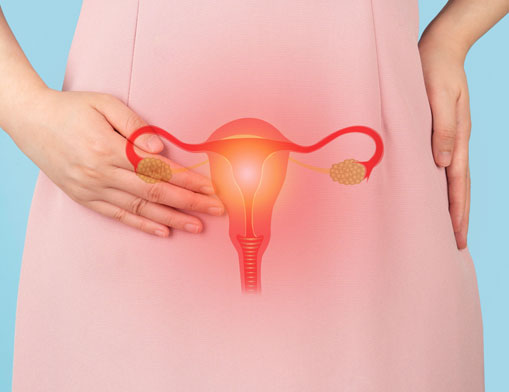
Common Menstrual Problems
Menstrual patterns can vary from person to person, but persistent changes or severe symptoms should not be ignored. A gynaecological consultation can help assess the timing, duration, and flow of periods, along with associated pain or other symptoms. Depending on the findings, the doctor may recommend blood tests, ultrasound, or other investigations.
- Irregular or missed menstrual periods
- Heavy or prolonged menstrual bleeding
- Severe menstrual cramps and pelvic pain
- Unusually frequent or infrequent periods
Diagnosis and Treatment Options
Treatment for menstrual disorders depends on the underlying cause, the severity of symptoms, and the patient's age and reproductive goals. Management may include medication, hormonal treatment, lifestyle guidance, or procedures when medically necessary. Heavy bleeding accompanied by dizziness or fainting, severe pelvic pain, or bleeding during pregnancy requires prompt medical assessment. Regular follow-up can help monitor symptoms and improve menstrual health.